
My Brother, Soleiman: 2025 Canadian Screen Awards Nominee – Best Original Music, Documentary

My Brother, Soleiman: 2025 Canadian Screen Awards Nominee – Best Documentary Program

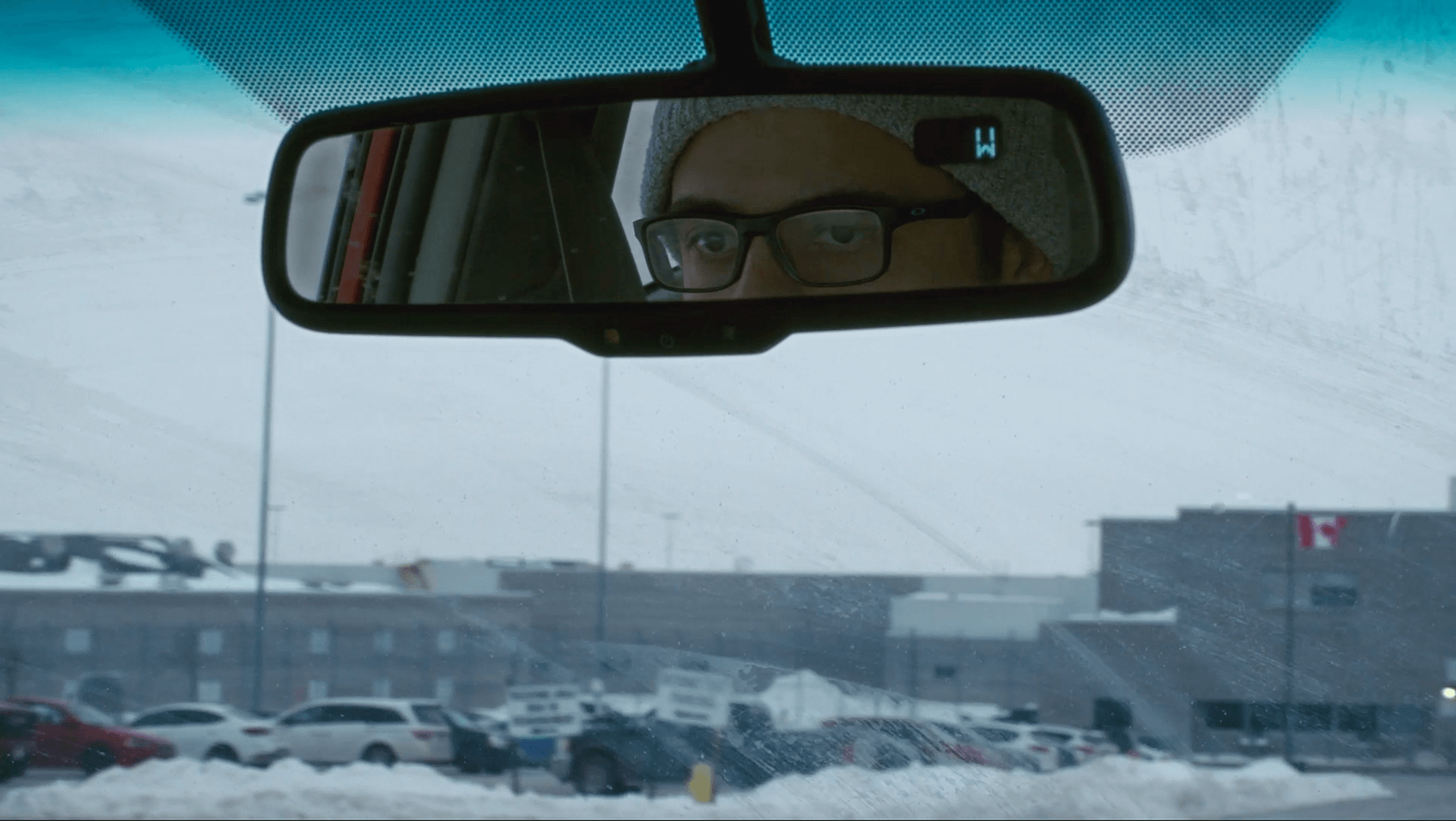
My Brother, Soleiman

Watch the trailer, learn about the production process, and see the CAMH panel discussion for the documentary My Brother, Soleiman
Expert Panel Discussion: Preventing Tragic Deaths in our Prisons

The Chilling Story of My Brother Soleiman
Cyber Dialogue II

Digital Arms, Cyber Security, Surveillance and Censorship.
Eric Pedicelli – Best Documentary Editing Nominee

Congratulations to our editor Eric Pedicelli of Chop Shop Media on his Canadian Screen Awards nomination for Black Code! #CdnScreenAwards Black Code is a Canadian documentary film, directed by Nicholas de Pencier and released in 2016.[1] Based on Ronald Deibert‘s book Black Code: Surveillance, Privacy, and the Dark Side of the Internet, the film explores the ways in which contemporary technology has facilitated an increasingly sophisticated surveillance infrastructure.[2] The film premiered at the 2016 Toronto International Film Festival.[3] The film received a Canadian Screen Award nomination for Best Editing in a Documentary (Eric Pedicelli) at the 6th Canadian Screen Awards in 2017.[4] Source: https://etcanada.com/news/196011/2017-canadian-screen-awards-nominees-revealed/
GLOBE AND MAIL – Black Code: A cautionary documentary on the surveillance state

They’re seductive, those modern conveniences that connect you to the world – your computer, your phone, your Facebook page – but they betray you at every moment, emitting what Ron Deibert calls “digital exhaust” which snooping governments and corporations can suck up and use to their advantage. Deibert, whose 2013 book Black Code: Inside the Battle for Cyberspace, was the basis of this film, is the director of the Citizen Lab at the University of Toronto, a crack team of roughly three dozen engineers, computer scientists, social scientists and others who track what they call “the exercise of political power in cyberspace.” Director Nicholas de Pencier, best known as the cinematographer on the gorgeous, sprawling docs of Jennifer Baichwal (Manufactured Landscapes, Watermark), follows Deibert as he tramps across the globe, dropping in on the Dr. Evil-ish HQ of the Swiss ISP which housed the original WikiLeaks server (situated in a former nuclear bunker, all granite and steel and gleaming glass) and meeting with exiled Tibetan monks, Syrian activists, Brazilian protesters and others crushed by the weight of the surveillance state. People often say they have nothing to fear from prying eyes because they have nothing to hide. Tell that to the Syrian man tortured for a month because of an ironic joke he made – privately, he’d thought – to a few friends on Facebook. Source: https://www.theglobeandmail.com/arts/film/film-reviews/black-code-a-cautionary-documentary-on-the-surveillance-state/article34704546/
SCREEN MAGAZINE – Explosive investigative doc, Slamdance Hit, ASK NO QUESTIONS

In turns disturbing, insightful, and moving, ASK NO QUESTIONS was described at its January Slamdance premiere as a real-life version of BLACK MIRROR. Directed by Jason Loftus and Eric Pedicelli, the documentary shows the dark side of the Chinese government and how they run a vicious propaganda campaign to discredit the spiritual practice of Falun Gong. A journalistic true-crime documentary, ASK NO QUESTIONS examines the captivating story of a Chinese state TV insider who is held and forced to accept the state line on a fiery public suicide he believes was a government plot. Evidence is credibly presented, shocking, and thorough, and the investigation leads into allegations of nefarious activity at a governmental scale. http://screenmag.com/story/2020/jul/29/12717/
FILM THREAT – Black Code pulls back the curtain of awful government intrusion in very immediate terms.
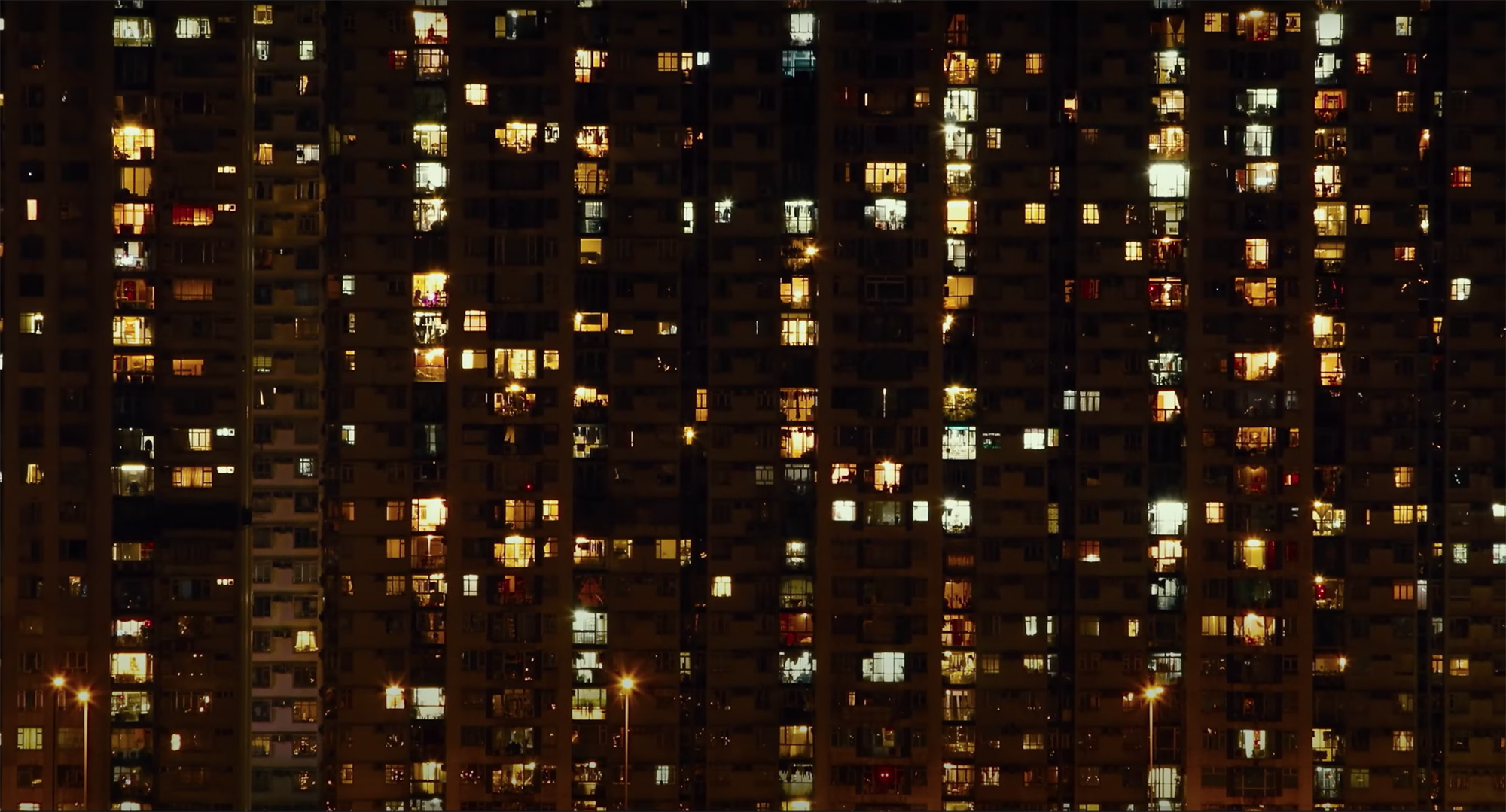
Imagine, if you will, a world in which the government tracks your every move, knows everything you’ve purchased online, and everything you’ve posted on the internet. If that description seems familiar, it is the government’s way of doing things in George Orwell’s classic 1984. While that novel is a work of fiction that can be read in a few different ways, the governments of some of the most populous countries on Earth seem to have taken the wrong lesson from it. These governments, including the US of A, Canada, Tibet, and China, are doing exactly what was described in Orwell’s cautionary tome. Black Code is a documentary about governments doing these morally unethical surveillance practices on their people, asking the question of what does it mean to be a private citizen in the internet age, and focusing on the way the internet can help mobilize activists for free speech. Throughout this exhaustively researched movie, there are interviews with persecuted Tibetan monks, who are wanted by the Chinese government. One of the monks uses seven different cell phones because if you call certain places or people from one number too often, it can get blacklisted. The filmmakers talk to activists fighting against the corrupt Brazilian police and how they ended up using a Japanese social media, Twitcasting, to live stream and instantly post to twitter videos of their rallies and protests. They discuss internet law and whether or not some degree of secrecy is necessary to ensure a functioning government body with lawyers and officials. Recapping the events of the movie might do it a bit of a disservice. The above paragraph fails to get across the stunning energy which director Nicholas de Pencier brings to the film. It is clear that these issues are close to his heart and he brings a sense of urgency to the proceedings. Utilizing a variety of styles from talking head interviews, to onscreen text recreations of email conversations, to use of actual footage from various events, and everything in-between the movie is visually pleasing. The editing brings forth several intense moments and sets a frantic pace which never lets up. Black Code pulls back the curtain of awful government intrusion in very immediate terms. Genuinely terrifying, because these things are happening to regular citizens all over the world, it comes from the heart and seeks ways to end this madness. Let’s all hope they figure out how. Source: https://filmthreat.com/reviews/black-code/